Safari Hut Embroidery Design: A Craft Fair Must-Have?
First Impressions: Rustic Charm Meets Whimsical Appeal
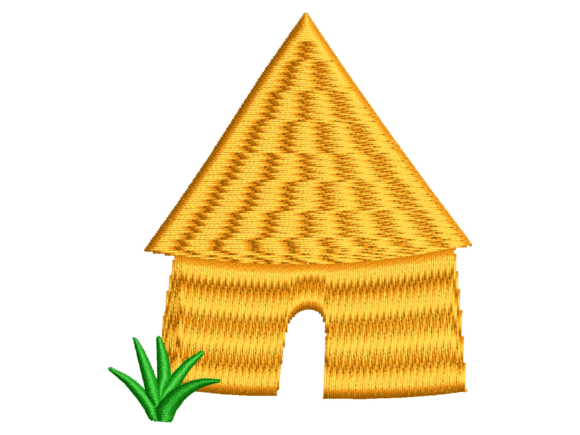
As an embroidery designer prepping for a weekend craft fair, the Safari Hut Embroidery Design immediately caught my eye. The name itself evokes a sense of adventure and cozy exploration—perfect for baby items, handmade gifts, and boutique-style décor. Upon opening the digital embroidery file, I found a design that balances playful safari motifs with clean, structured stitching. It feels rustic yet refined, with enough detail to draw attention without overwhelming the fabric.
What stands out most is how the design translates into a tactile, visual experience. Whether stitched onto a tote bag or embroidered onto a tea towel, it feels like a story waiting to be told. For craft fair sellers and Etsy entrepreneurs, that kind of narrative pull is gold.
How Safari Hut Embroidery Design Performs on Craft Fair Products
Let’s break down how this machine embroidery design holds up across the most popular handmade product categories:
- Tote Bags: The design works beautifully as a large focal point on canvas or linen totes. It adds character without being too busy, making it ideal for shoppers looking for a statement piece that still feels handmade and unique.
- Aprons: On aprons, especially those aimed at parents or kids, the Safari Hut motif brings a sense of whimsy and warmth. It’s a great way to elevate a simple kitchen apron into a boutique-style item.
- Tea Towels: Embroidery on tea towels is always a hit at craft fairs, and this design delivers. The balance of negative space and detail ensures it doesn’t get lost in the texture of the fabric, even on slightly textured cotton.
- Caps & Patches: When resized, the design holds up well as a patch or on the front of a cap—though I’d recommend testing it on curved surfaces first. The stitch density could be a challenge on curved cap blanks, so extra stabilizer is a must.
- Fabric Pouches & Pillow Covers: These smaller items benefit from the design’s clarity and visual appeal. It’s easy to understand at a glance, which is crucial when customers are browsing quickly at a booth.
Practical Production & Selling Points
From a production standpoint, the Safari Hut Embroidery Design is fairly straightforward. The file format—delivered in ZIP or RAR—means it’s ready for most embroidery machines, but always double-check compatibility with your specific brand. Batch production is definitely feasible, assuming the stitch density doesn’t require excessive hooping time or thread changes.
Photographically, this design shines. Its clean lines and contrasting elements make it stand out in online listings, especially when paired with light-colored backgrounds. For Etsy sellers and small shop owners, that’s a big plus—good visuals can make or break a digital sale.
However, there are a few potential red flags:
- Watch out for dense stitch areas—they can cause puckering on thinner fabrics.
- If the design includes small lettering or tiny details, test it on scrap fabric first, especially if you plan to scale it down.
- Dark fabric may require extra thread contrast checks to ensure visibility.
Design Strengths for Your Craft Fair Display
When setting up a craft fair booth, you want every item to pull its weight. This embroidery file does that by blending into a variety of product types while still maintaining a cohesive look. Whether you're displaying embroidered patches, tote bags, or pillow covers, the Safari Hut Embroidery Design creates a theme that’s both rustic and modern—a smart combo for today’s handmade market.
It also helps with brand consistency. If you’re using this design across multiple products, it gives your booth a unified aesthetic that shoppers can recognize and remember. That kind of visual branding is especially important for boutique makers and creative entrepreneurs trying to build a recognizable style.
Careful-Use Notes for Best Results
Before diving into full-scale production, here are a few things I’d advise:
- Test on scrap fabric first—especially if you're using textured towels or thick cotton.
- Check thread contrast against your chosen fabric color. Some colors may blend in more than expected.
- Review spacing and hoop size to make sure the design fits your intended product without distortion.
- Inspect stitch density closely—too tight, and it might pucker; too loose, and it loses definition.
- Use the right stabilizer, especially for curved surfaces like caps or textured fabrics.
Also, don’t skip creating at least one real mockup before listing on Etsy or printing your printable mockups. Seeing the design in person can reveal issues that aren’t obvious on screen.
Final Thoughts: Is Safari Hut Embroidery Design Worth the Hoop?
If you're looking to add a design that’s both versatile and visually engaging to your handmade product lineup, the answer is yes. The Safari Hut Embroidery Design has the potential to be a crowd-pleaser, especially for baby items, kids’ apparel, and themed décor.
It’s well-suited for craft fair sellers who want to offer a cohesive, rustic-meets-whimsical collection. Just be mindful of the practical embroidery notes—especially if you're scaling the design or using it on tricky surfaces.
For digital sellers and boutique makers, this design checks a lot of boxes: it’s easy to understand, photograph, and produce in batches. Just make sure to verify file formats, hoop size requirements, and licensing terms before selling finished products.
In short, the Safari Hut Embroidery Design is a smart addition to your design assets. It’s got the charm, clarity, and commercial appeal that craft fair shoppers and online buyers alike are looking for.